How to Improve Your Website Loading Speed
Speed Matters More Than You Think
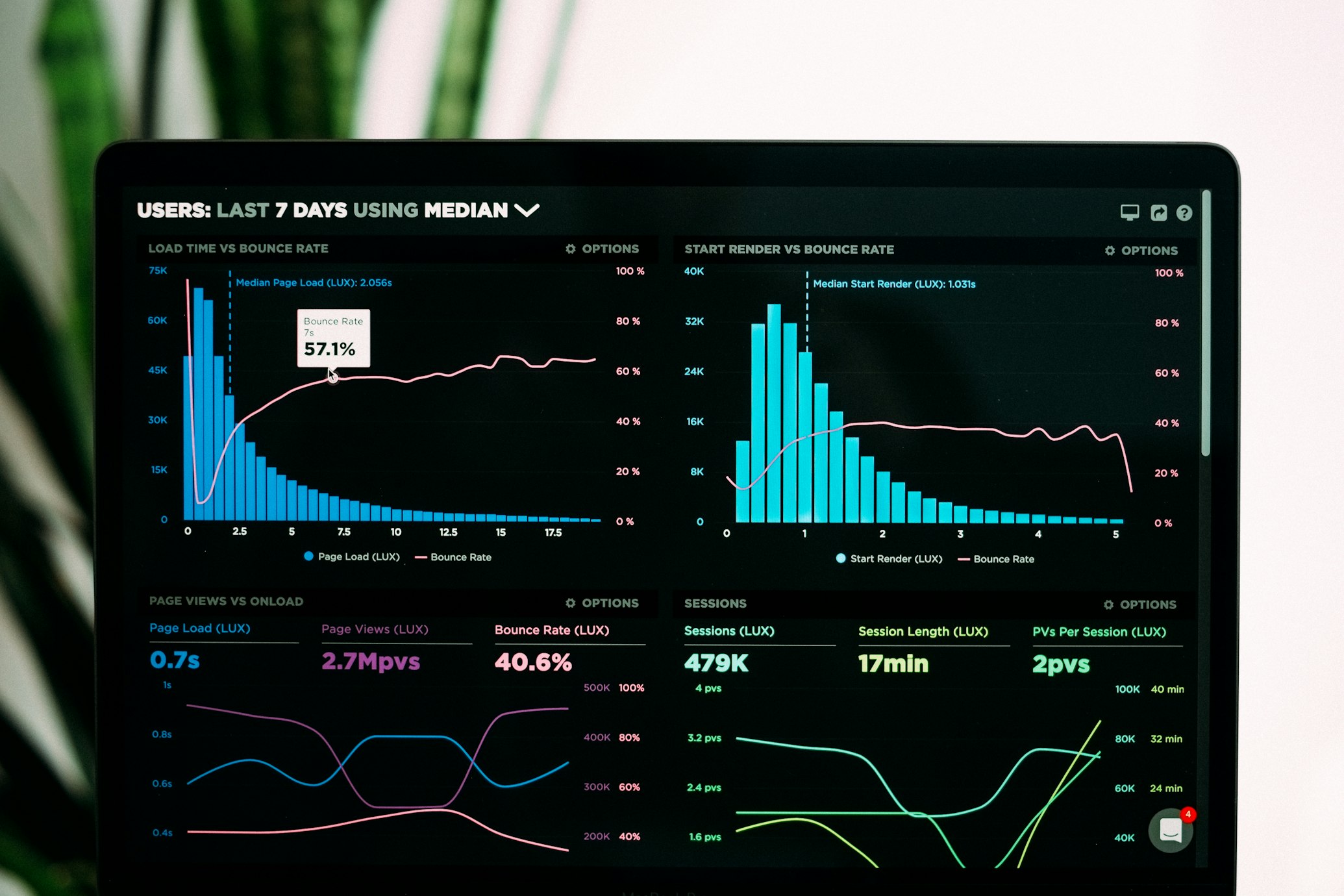
A one-second delay in page load time can result in a 7% reduction in conversions, an 11% decrease in page views, and a 16% decrease in customer satisfaction. Google uses page speed as a ranking factor for both desktop and mobile searches, making performance optimization critical for both user experience and SEO. Amazon calculated that a 100-millisecond increase in load time cost them 1% in sales — which translates to approximately $1.6 billion annually.
Measuring Performance
Before optimizing, you need to measure. Google's Core Web Vitals provide the key metrics:
- Largest Contentful Paint (LCP): Measures loading performance. Should occur within 2.5 seconds of page load
- Interaction to Next Paint (INP): Measures interactivity. Should be under 200 milliseconds
- Cumulative Layout Shift (CLS): Measures visual stability. Should be less than 0.1
Tools like Google PageSpeed Insights, Lighthouse, and WebPageTest provide detailed performance audits with actionable recommendations.
Image Optimization
Images typically account for 50-80% of a page's total weight. Optimization strategies include:
- Modern formats: Use WebP (30% smaller than JPEG) or AVIF (50% smaller) with fallbacks for older browsers
- Responsive images: Serve appropriately sized images using the
srcsetattribute instead of scaling large images with CSS - Lazy loading: Add
loading="lazy"to images below the fold to defer loading until they are about to enter the viewport - CDN delivery: Serve images from edge servers closest to users for reduced latency
Code Optimization
JavaScript
Minimize and defer JavaScript execution. Use code splitting to load only the JavaScript needed for the current page. Remove unused dependencies with tree shaking. Consider replacing heavy libraries with lighter alternatives — for example, replacing Moment.js (330KB) with Day.js (2KB) for date manipulation.
CSS
Extract and inline critical CSS (the CSS needed for above-the-fold content) to eliminate render-blocking stylesheets. Use CSS containment to limit the scope of browser layout calculations. Remove unused CSS rules — the average website ships 35KB of unused CSS.
Server and Infrastructure
Content Delivery Network (CDN)
A CDN caches your content on servers distributed worldwide, serving content from the location closest to each user. This can reduce load times by 50-70% for geographically distributed audiences. Services like Cloudflare, AWS CloudFront, and Vercel Edge provide excellent CDN capabilities.
Compression
Enable Brotli compression (20-26% better than Gzip) on your server. Most modern browsers support Brotli, and it can reduce text-based asset sizes by 70-90%.
Caching
Implement proper cache headers for static assets. Immutable assets (files with content hashes in their names) should have max-age=31536000 (one year). Dynamic content should use stale-while-revalidate strategies to serve cached content while fetching fresh data in the background.
Conclusion
Our performance optimization services at Apex Byte have helped clients achieve up to 90% improvement in page load speeds. We audit your website, identify bottlenecks, and implement proven optimization techniques that deliver measurable improvements in both performance and search rankings.